
November 12, 2026
Daily activity reports vs incident reports: what each format must contain before a client accepts it
Merging your routine shift log and event reports into one narrative gets both rejected. Split them into two short templates, and clients can verify service and follow an incident without digging through paragraphs of noise.
Read article →
November 3, 2026
What clients mean by accountability: the three records a guard company must produce
When a client asks how they know the guard was there, they are not asking for a dashboard. They want three records: a timestamped incident report, a checkpoint-backed patrol log, and hours verified on site.
Read article →
October 31, 2026
Rolling out GPS clock-in to guards who hate the idea
Guards resist location clock-in because it looks like surveillance, not because it is new. Here is a two-week rollout that frames it as proof of their work, with the script, the guard questions, and the exceptions policy.
Read article →
October 28, 2026
How to turn verified clock-ins into payroll-ready timesheets
Your payroll run should be a download, not a weekly reconstruction. Here is how geofenced clock-ins plus a fifteen-minute Monday review produce hours that hold up with guards and clients.
Read article →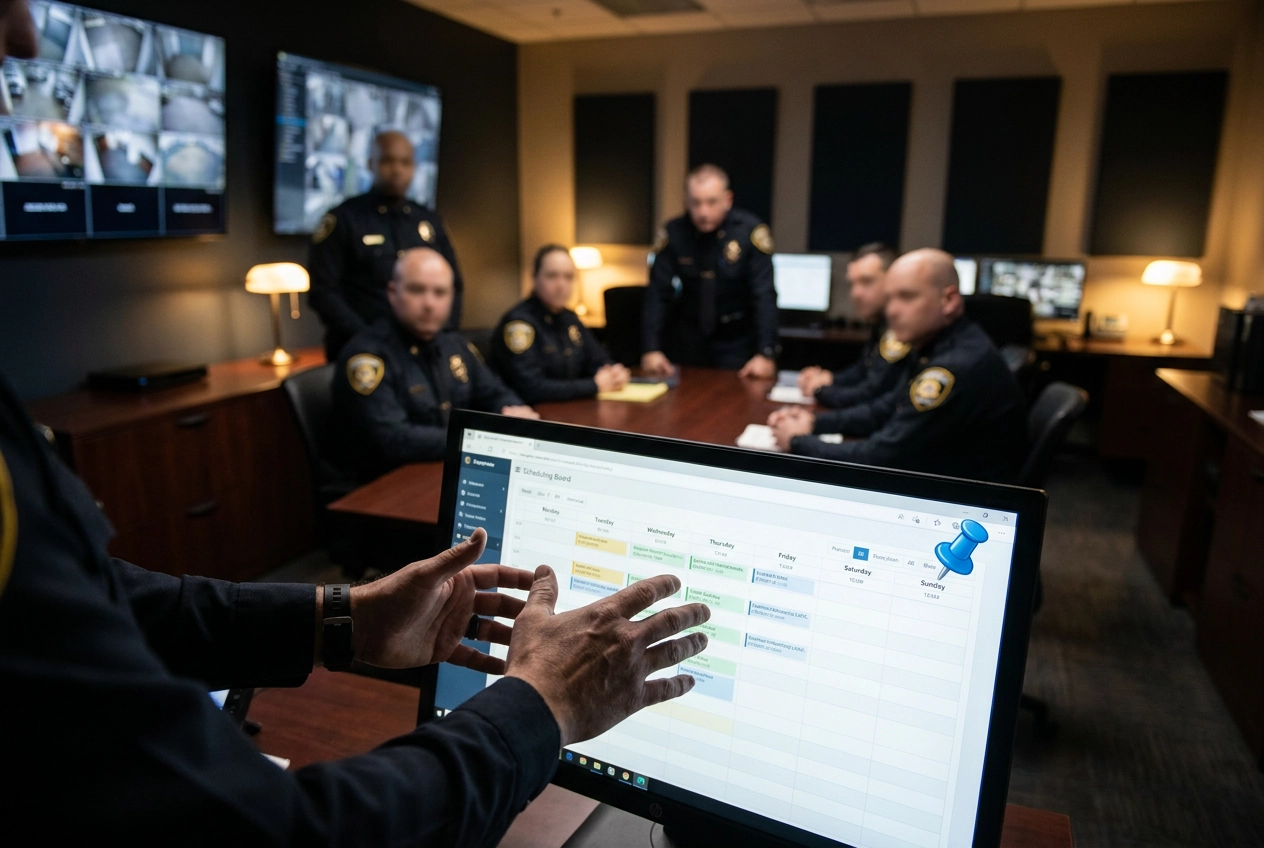
October 25, 2026
Overtime creep at 12 guards: shift scheduling that stops it
Overtime at a 12-guard firm usually starts in the schedule, not with the guard. Here is a two-week audit to find where it comes from and the patterns that keep it off the pay run.
Read article →
October 22, 2026
The paperless test: four conditions a guard tool must pass
Putting a form on a screen is not going paperless. Here are the four conditions a guard management tool has to meet before the logbook can actually go in the drawer.
Read article →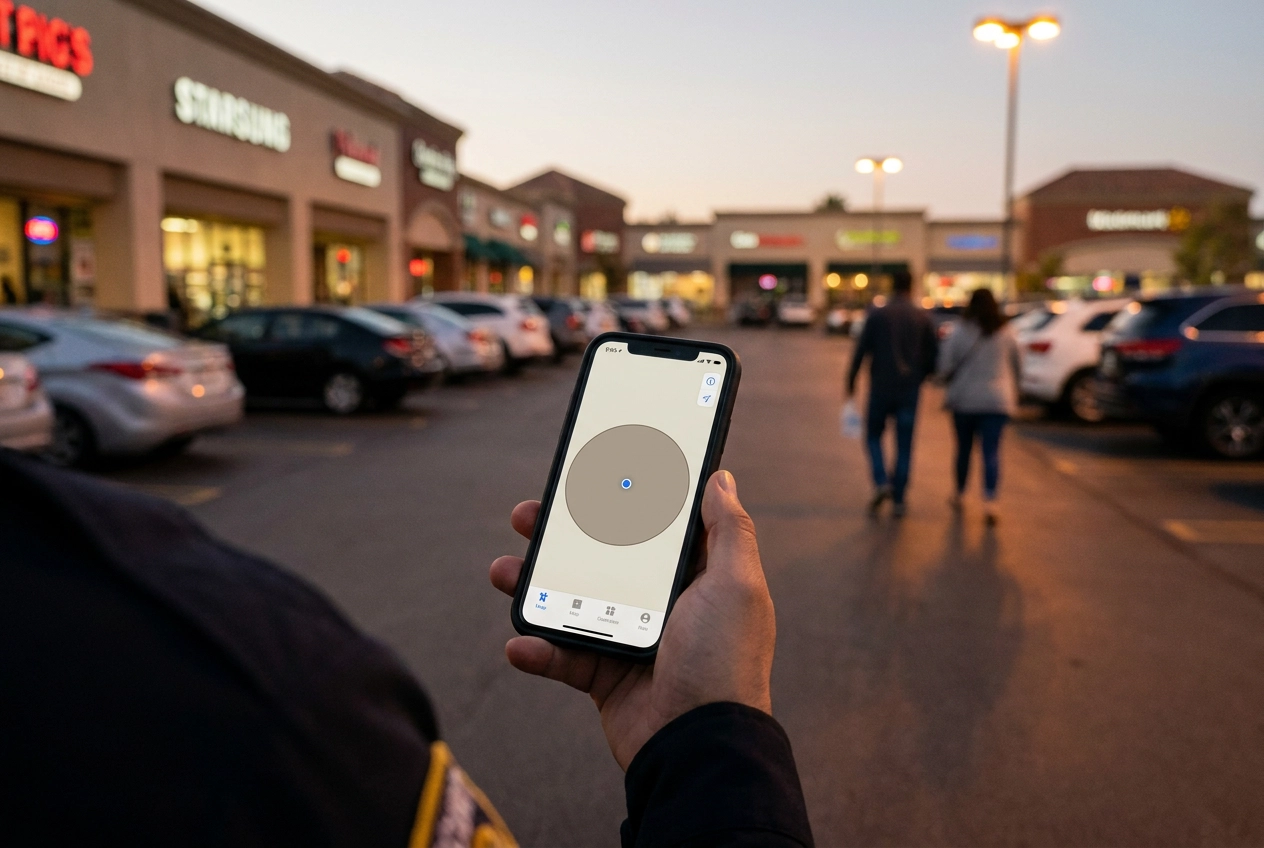
October 19, 2026
Geofence radius at a strip-mall site: how tight is too tight before guards clock in from the parking lot
A geofence tighter than your phone's GPS accuracy flags guards who are standing right at the door. Here is how to size the radius by site type and review the misses without punishing anyone.
Read article →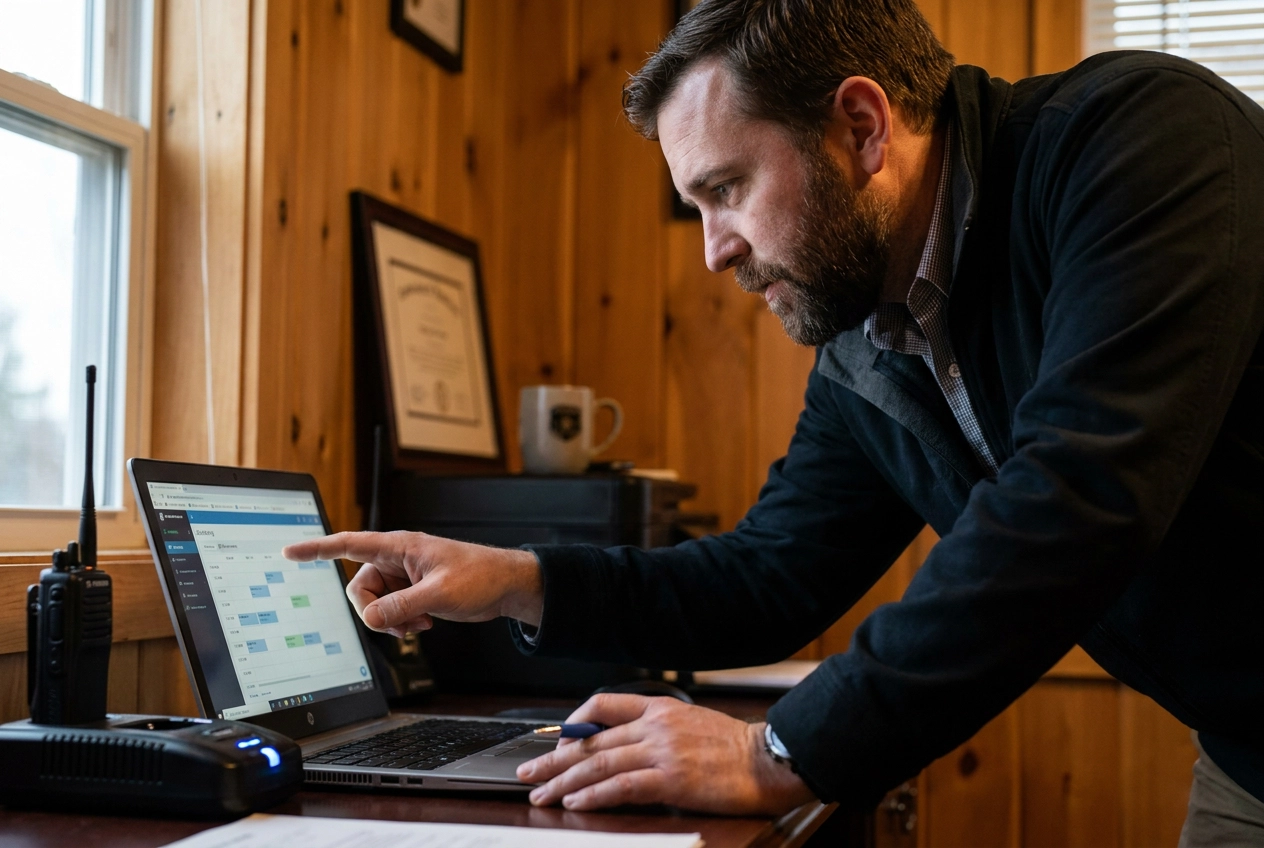
October 16, 2026
How a 10-guard firm sends client updates in five minutes
Contracts rarely end over one bad night. They end when a client stops hearing from you. Here is the weekly, monthly, and 24-hour cadence a 10-guard firm can run without writing a word from scratch.
Read article →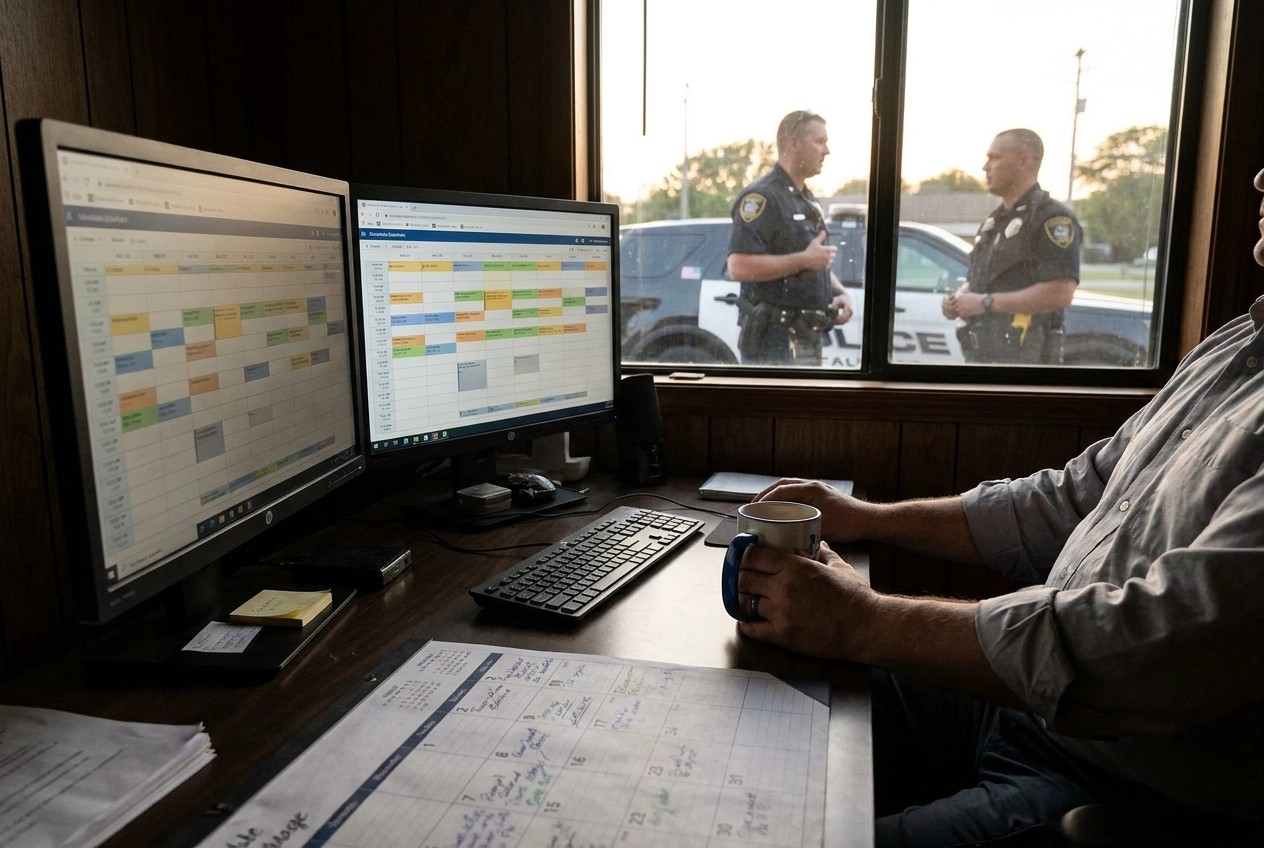
October 13, 2026
Scheduling a 6-guard company when the owner works a post
You still work a post, so the schedule has to protect your own shift instead of treating it as the fallback. Here is the repeating two-week template one 6-guard Canadian company runs, and how a 5:40 a.m. call-off actually gets filled.
Read article →
September 24, 2026
How to write a security guard incident report that holds up under review
Most incident reports fail not because guards skip them, but because they're missing GPS location, timestamps, and photo evidence. Here's how to set a standard your business can actually defend.
Read article →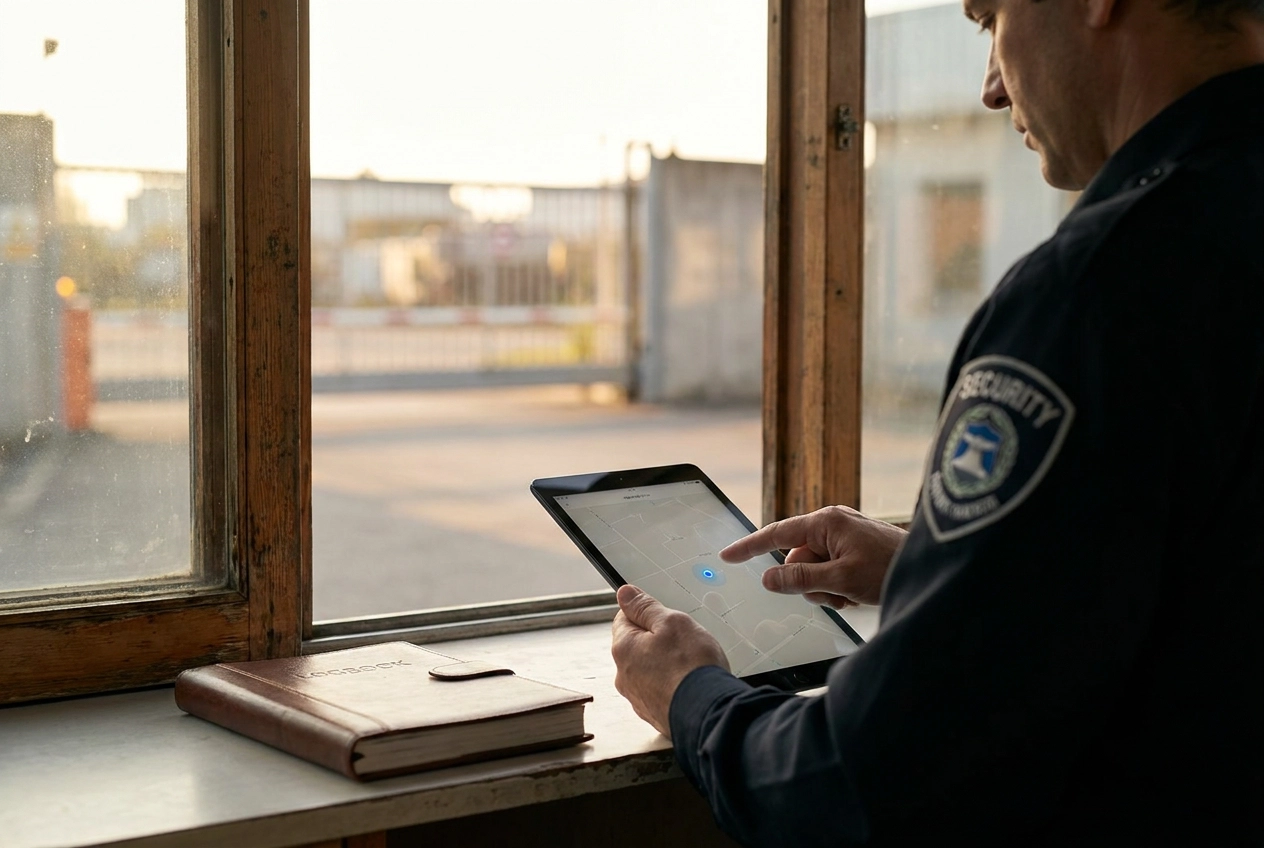
September 21, 2026
Geofenced clock-in for security guards: why a timestamp alone is not enough
A timestamp proves when a guard clocked in, not where. This piece breaks down how geofenced clock-in closes that accountability gap and what small security operators lose without it.
Read article →
September 18, 2026
How to build a guard schedule that survives last-minute call-outs
Most scheduling failures happen not when you build the schedule, but when a guard calls out at 5:40 a.m. This guide shows small operators how to design contingency into every shift before the crisis hits.
Read article →
September 15, 2026
Free vs. paid guard scheduling software: when the free plan is enough
Small Canadian security companies often assume good scheduling software costs serious money. This piece breaks down exactly what a free plan can handle, where it falls short, and how to make the call with confidence.
Read article →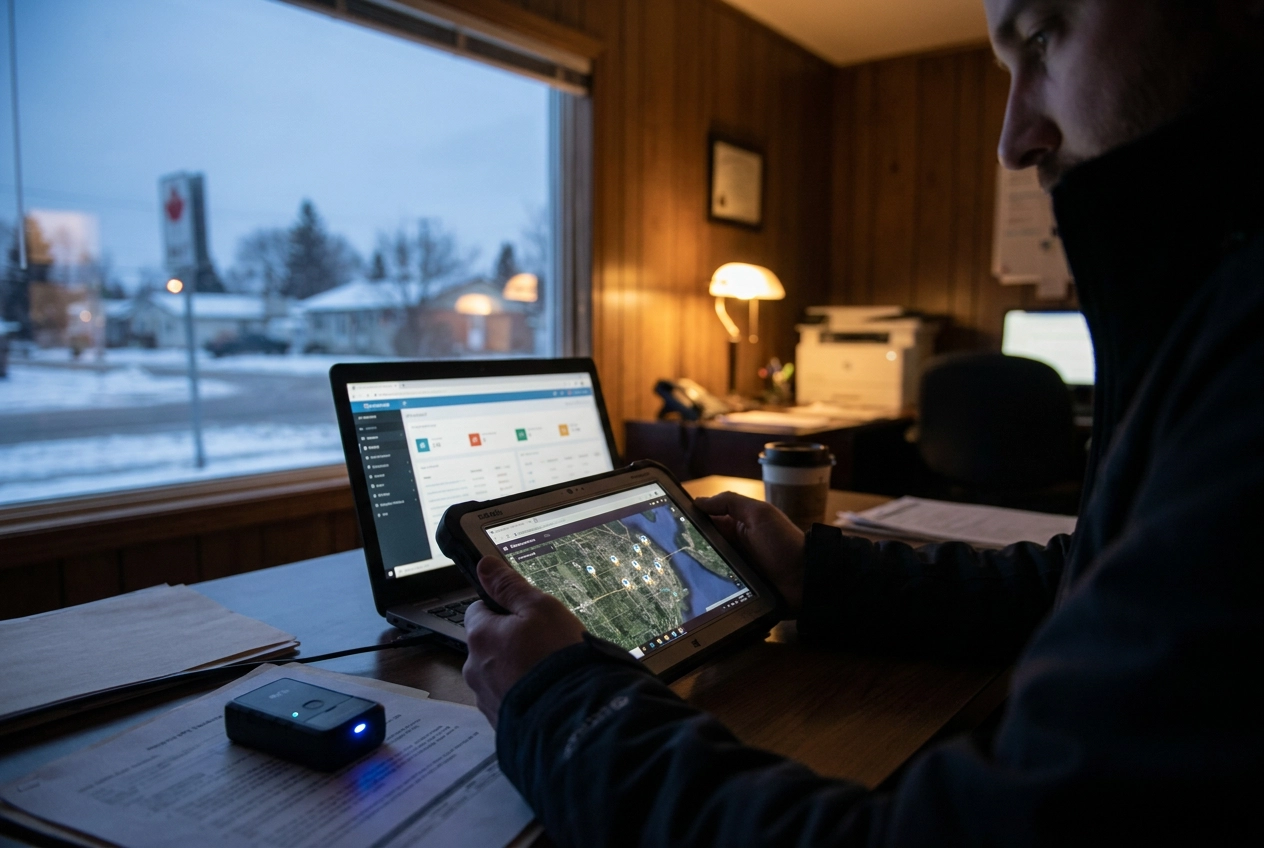
September 12, 2026
GPS tracking for security guards in Canada: what small companies need to know before they buy
Most GPS tracking tools are built for fleet managers, not guard operators. Here's what actually matters for small Canadian security companies running fewer than 30 guards.
Read article →
September 9, 2026
Shift scheduling software for Canadian security companies: what to expect in year one
Switching from WhatsApp and paper to scheduling software has a predictable arc. Here is what the first year actually looks like for a small Canadian guard company, month by month.
Read article →
September 6, 2026
How to get new guards using your scheduling app on day one
Switching to guard management software only works if your guards actually use it. Here is how Canadian small security operators can go from sign-up to live shifts in a single day.
Read article →
August 28, 2026
CPI Security vs. guard management software: what security company owners actually need
If you searched CPI Security while researching tools for your guard company, you may be looking at the wrong category entirely. Here is what small security teams actually need.
Read article →
August 25, 2026
What it takes to run a security service in 2026
Running a security service in 2026 means more than putting guards on site. This analysis breaks down the real operational, financial, and client pressures small security companies face today.
Read article →
August 22, 2026
What is CIS Security and what does it mean for your business
CIS security frameworks set the standard for protecting business data and operations. Here is what the CIS Controls actually mean, and how they apply to real-world businesses of any size.
Read article →
August 19, 2026
UK security threat levels and what they mean for your security team
The UK's five-tier terrorism threat system is more than a government bulletin. Here is what each level means in practice, and how security teams can be ready to respond when it matters.
Read article →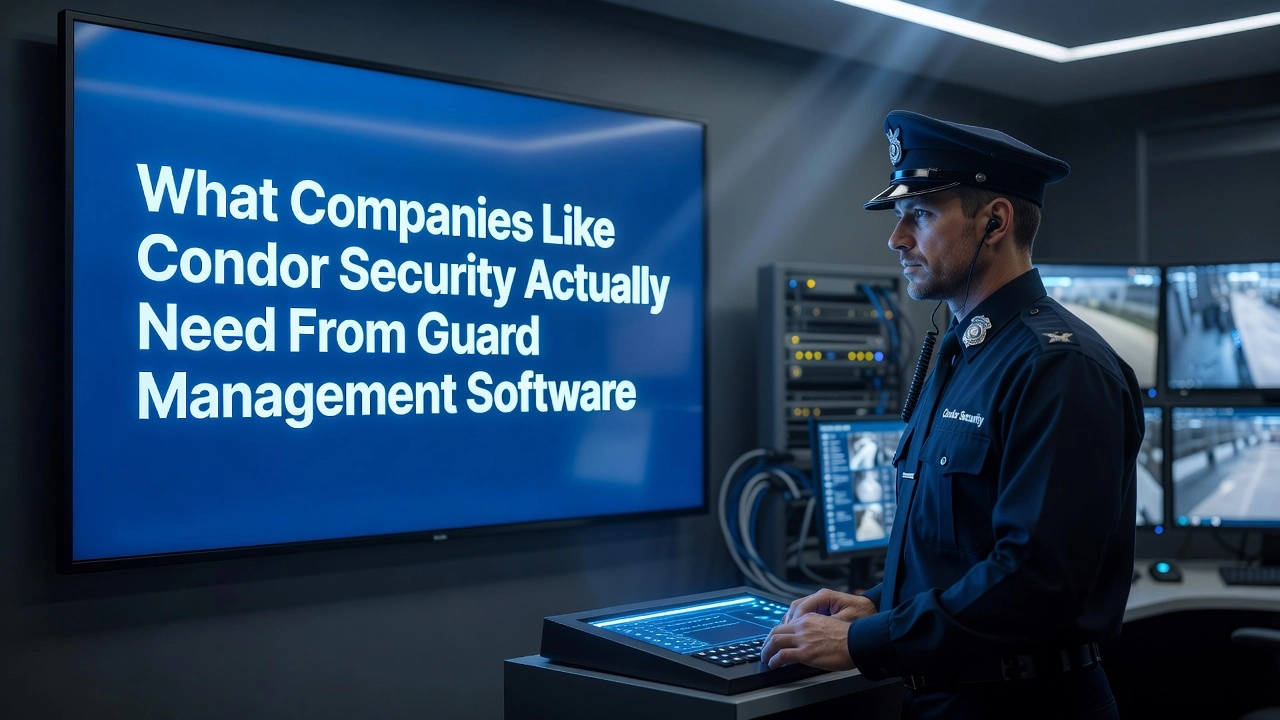
August 13, 2026
What companies like Condor Security actually need from guard management software
A security firm like Condor has a lot of moving pieces. Small firm owners face the same coordination challenges at a fraction of the budget — here is what the right software actually looks like.
Read article →
August 10, 2026
How small security companies keep their operations running smoothly
Running a security company with a small team is hard work. Here are the key operational areas where owners with under 30 guards make the biggest difference — and how to get each one under control.
Read article →
August 7, 2026
What Paladin Security gets right and how small guard companies can do the same
Paladin Security built one of Canada's most respected guard operations. Here's what actually drives that professionalism — and how a company with 5 to 30 guards can run the same way.
Read article →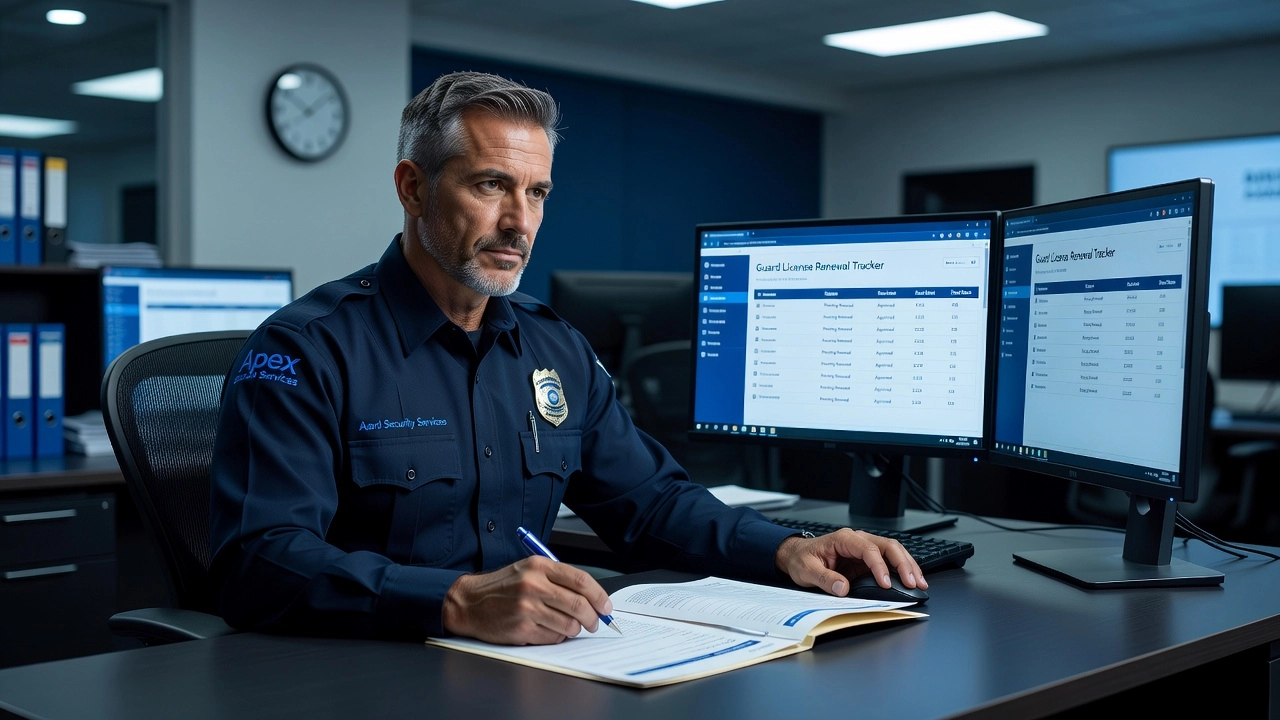
August 3, 2026
How small security companies can stay on top of guard license renewals
Missing a guard license renewal can cost you a contract, trigger a fine, or expose your company to liability. Here is a practical, step-by-step system for small security teams to stay compliant without the spreadsheet chaos.
Read article →