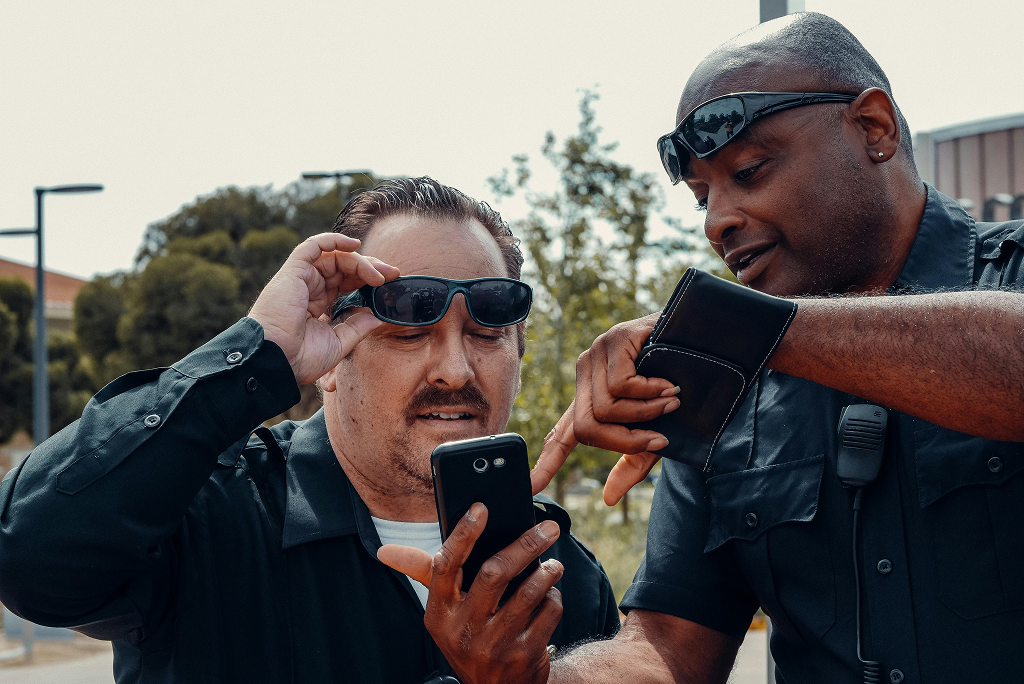
Mobile apps have become a standard part of modern security operations.
From patrol tracking to incident reporting and scheduling, guards increasingly rely on mobile devices throughout their shifts. Yet many security companies discover that complicated apps create frustration instead of efficiency.
This guide explains what actually matters in a security guard mobile app from an operational perspective. The focus is not on long feature lists, but on the workflows that genuinely help guards and supervisors in the field.
1. Why mobile usability matters in security operations
Security guards work in fast moving and unpredictable environments.
During a shift, guards may need to:
- Complete patrols
- Submit reports
- Respond to incidents
- Check schedules
- Communicate with supervisors
If the mobile experience is slow or confusing, adoption drops quickly.
Well designed mobile workflows reduce friction and help guards stay focused on the job rather than the software itself.
2. Simple workflows outperform complex feature sets
Many security platforms try to solve every operational problem at once.
In practice, overloaded apps often create:
- Longer training times
- Inconsistent usage
- More support requests
- Frustration in the field
The most effective guard apps focus on simplicity and clarity.
Core workflows should be:
- Easy to learn
- Fast to complete
- Consistent across devices
Good mobile apps support operations quietly in the background rather than becoming the center of attention.
3. Reliability matters more than appearance
A visually impressive app means very little if it fails during a shift.
Security operations depend on reliability in real world conditions, including:
- Poor connectivity
- Outdoor environments
- Long shifts
- Different device types
Effective mobile tools prioritize:
- Fast loading times
- Stable performance
- Offline support where possible
- Consistent functionality across devices
Reliability builds trust with guards and supervisors over time.
4. Mobile apps should reduce admin work
The best guard apps simplify operational tasks rather than adding new layers of process.
Strong mobile workflows help teams:
- Submit reports quickly
- Confirm patrol completion easily
- Access schedules without supervisor follow ups
- Reduce paperwork and duplicate entry
When mobile tools reduce repetitive tasks, adoption improves naturally.
5. Training should be minimal
If guards require extensive training to use the app, the workflows are probably too complicated.
Well designed mobile systems rely on:
- Clear navigation
- Familiar interactions
- Simple terminology
- Straightforward task flows
The goal is confidence, not technical expertise.
Guards should be able to complete core workflows comfortably after a short introduction.
6. What good mobile workflows look like in practice
In well run security operations:
- Guards can complete tasks quickly during shifts
- Supervisors spend less time answering app questions
- Patrols and reports are completed consistently
- Technology supports the workflow instead of interrupting it
The mobile app becomes part of normal operations rather than a separate system guards need to manage.
Mobile apps play an important role in modern security operations, but simplicity and reliability matter far more than long feature lists.
The most effective platforms help guards complete essential tasks quickly and confidently while reducing operational friction for supervisors and clients alike.
Modern security platforms like Opspot are designed around practical field workflows, but successful adoption always depends on keeping processes clear and easy to follow.