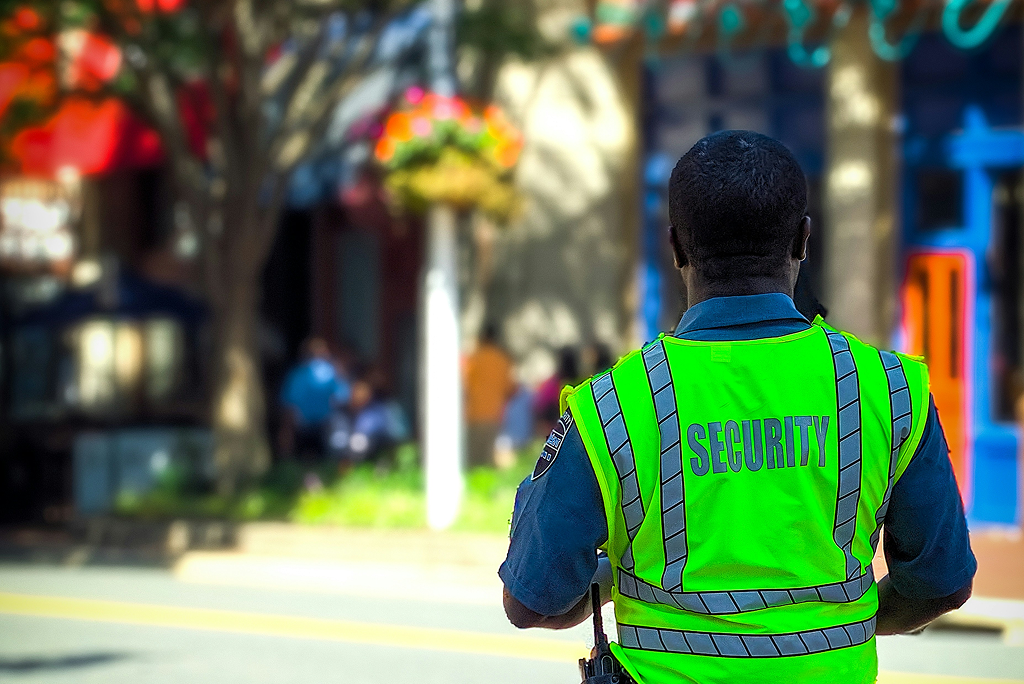
Tracking security guards is one of the most sensitive topics in security operations.
Many owners and supervisors worry that introducing tracking tools will damage trust, create resistance in the field, or feel like unnecessary oversight. At the same time, clients expect accountability, and supervisors need visibility to do their jobs effectively.
The challenge is not whether to track guards. It is how to do it in a way that supports guards, strengthens operations, and improves service quality without turning day-to-day work into micromanagement.
This guide explains how modern security teams approach guard tracking in a balanced, practical way.
1. Why guard tracking matters in real operations
Tracking is often misunderstood as a control mechanism. In reality, its primary purpose is operational awareness.
When tracking is done well, it helps teams:
- Confirm coverage without constant check-ins
- Identify missed patrols or issues early
- Provide proof of service to clients
- Support guards when something goes wrong
Without tracking, supervisors rely on end-of-shift reports, phone calls, or assumptions. Problems are discovered late, and follow-ups become reactive.
Modern tracking shifts operations from reactive to informed.
2. Where tracking goes wrong
Most resistance to tracking comes from poor implementation, not from the concept itself.
Common mistakes include:
- Tracking without explaining the purpose
- Collecting more data than anyone actually uses
- Treating tracking as enforcement instead of support
- Applying the same level of oversight to every site
When guards feel watched rather than supported, adoption suffers. When supervisors are flooded with unnecessary data, visibility turns into noise.
Good tracking is intentional, not invasive.
3. Tracking for visibility, not control
The difference between tracking and micromanagement comes down to intent and design.
Healthy tracking focuses on:
- Confirming presence, not monitoring every movement
- Verifying task completion, not policing behavior
- Supporting guards, not catching mistakes
For example, knowing that a patrol route was completed on time provides confidence. Watching every step a guard takes does not.
Modern security operations design tracking around outcomes, not constant observation.
4. Choosing the right level of tracking for each site
Not every site needs the same approach.
Some locations require frequent patrol verification. Others only need confirmation that a guard is on-site and active. Applying a one-size-fits-all model often creates unnecessary friction.
Well-run teams:
- Match tracking methods to site risk and client expectations
- Start with minimal requirements and adjust as needed
- Avoid adding checkpoints or tracking steps that do not add value
The goal is clarity, not complexity.
5. Making tracking work for guards
Adoption improves when guards understand how tracking helps them.
Effective teams communicate that tracking:
- Reduces unnecessary supervisor calls
- Protects guards by creating a record of activity
- Makes expectations clear at the start of a shift
When tracking is integrated into normal workflows like clock-ins, patrols, and reporting, it feels like part of the job rather than an extra task.
Training does not need to be extensive. Clear explanations and simple workflows go a long way.
6. What good tracking looks like in practice
In mature security operations:
- Supervisors can see active shifts at a glance
- Patrol completion is confirmed without follow-up calls
- Issues are identified during the shift, not days later
- Guards complete their work confidently without constant oversight
Tracking supports trust instead of replacing it.
7. Getting started without overwhelming your team
If tracking feels like a big change, start small.
A practical approach:
- Begin with one site or one workflow
- Track only what you need to operate confidently
- Gather feedback from guards and supervisors
- Adjust before expanding to other sites
Tracking should evolve alongside your operations. It does not need to be perfect on day one.
Tracking security guards does not have to mean micromanagement.
When designed with purpose, guard tracking improves visibility, strengthens accountability, and supports both guards and supervisors. The most effective teams focus on clarity and consistency rather than control.
Tools built for modern security operations, like Opspot, are designed to support this balanced approach; however, the foundation is always thoughtful process design and clear expectations.